
World’s Lightest Road Bike at 2.7kg

The bike you’re about to see was an idea originally started and created in 2008 by a German guy named Gunter Mai who logged over 20,000km on the machine for a couple years and it weighed at around 3.2kg. Early in 2011 he parted out the bike and sold each piece individually around the world. Some of the key parts were bought by some guy in Colorado who commissioned Jason Woznick of Fairwheel Bikes in Tucson, Arizona to create even lighter parts to finish a new build of it.
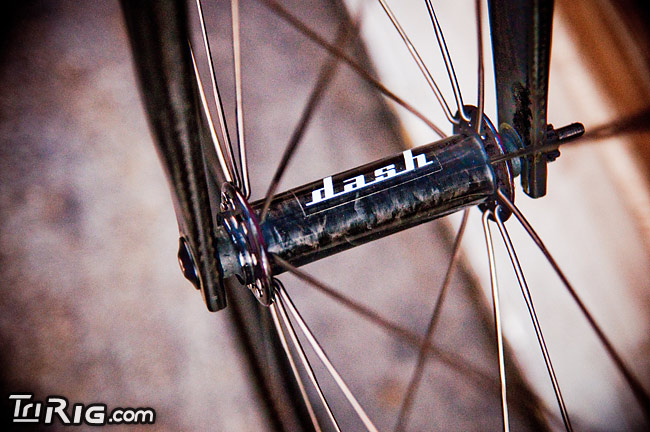
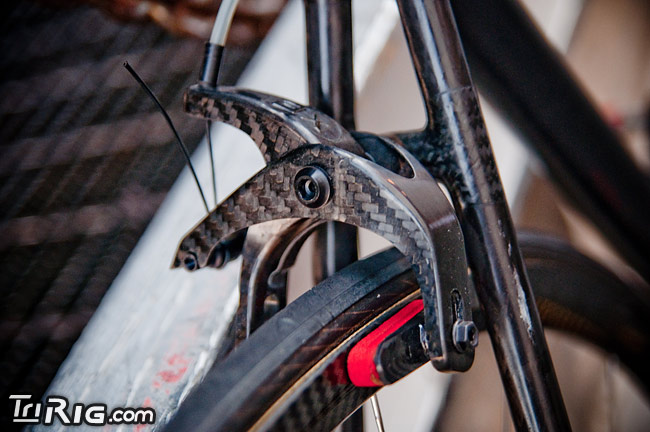
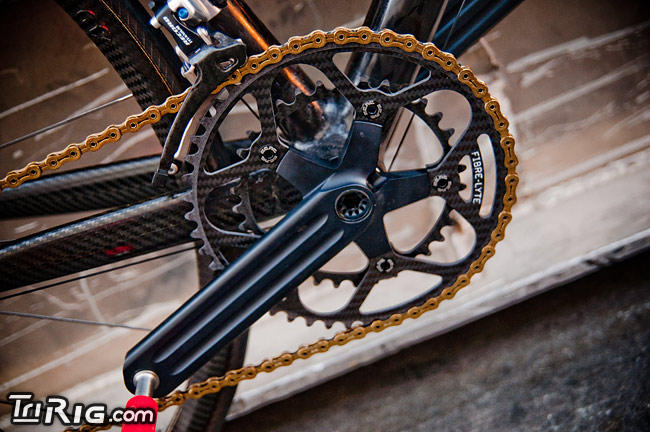
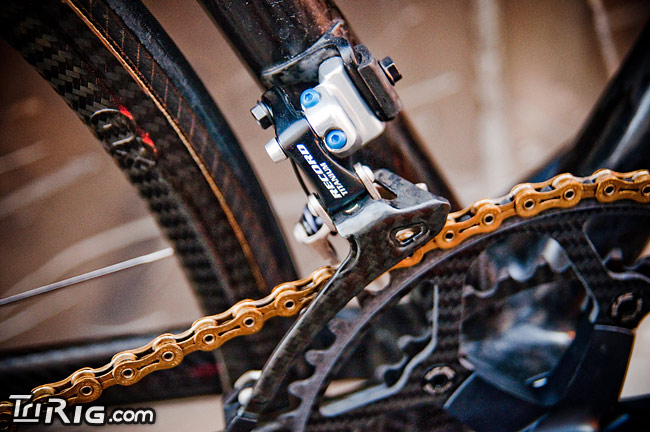
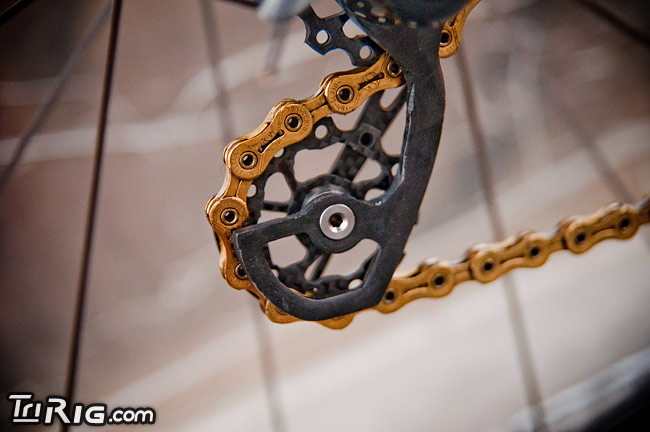
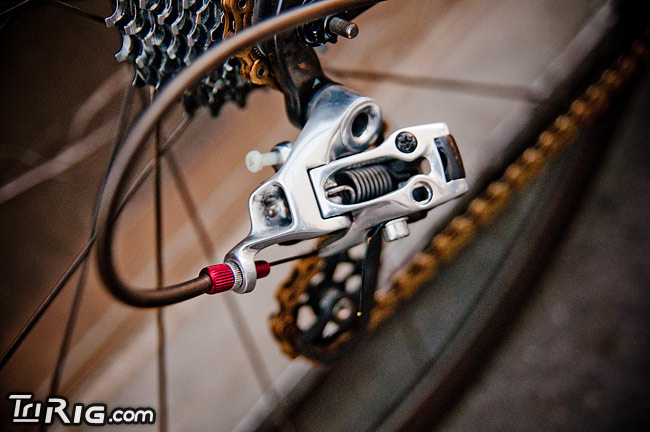
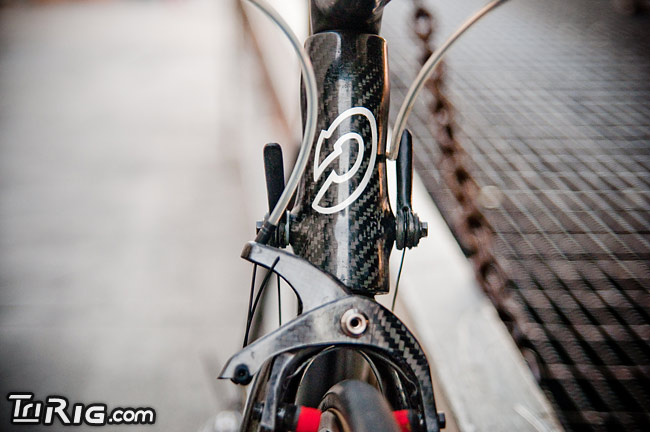
Every part on the bike is completely custom made and cannot be bought unless you wanted it made specially for you. Even if you did want it made for you, you would have to contact manufacturers who already make the lightest parts and then ask them to make a custom piece for you that is even lighter. Woznick guessed that if you tried to recreate the effort put into this bicycle, it would cost you at least $45,000.
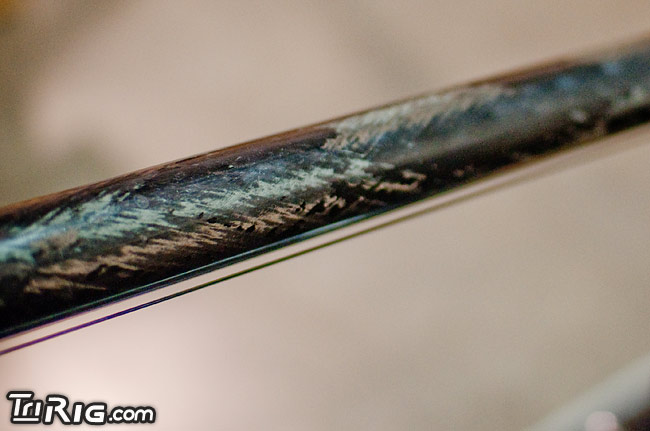
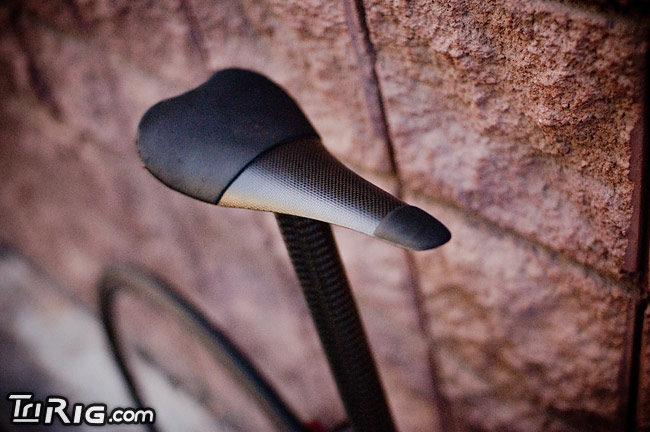
As a result, this new machine weighs in at 2.7kg or just about 6.0lbs. I can’t imagine what it would be like to hold such a large item that weighs two pounds lighter than a gallon of milk, but it must feel like nothing! Even the carbon fiber used in the wheels isn’t readily available (even if you have the cash for it) as it’s a special grade that was gotten from some Formula One guys.
As a result of some of the custom work, this has allowed manufacturers to push their limits. Both of the prototype Dash hubs will actually be going into mass production this year, for example. Anyway, enjoy the pictures as there isn’t quite a bike as exotic as this in all its minimal glory.
Credit for photos and info: Nick Salazar from TriRig.com
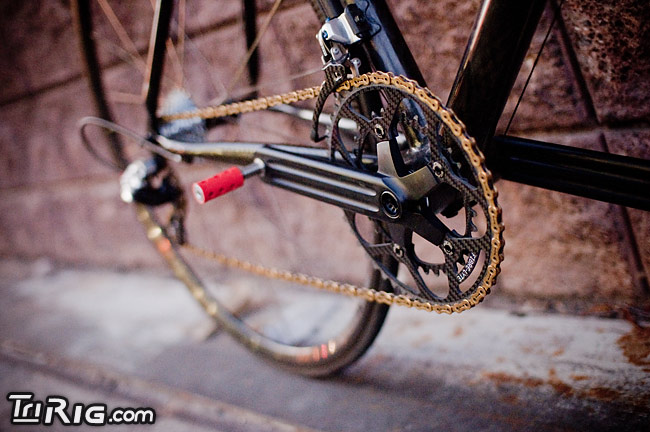
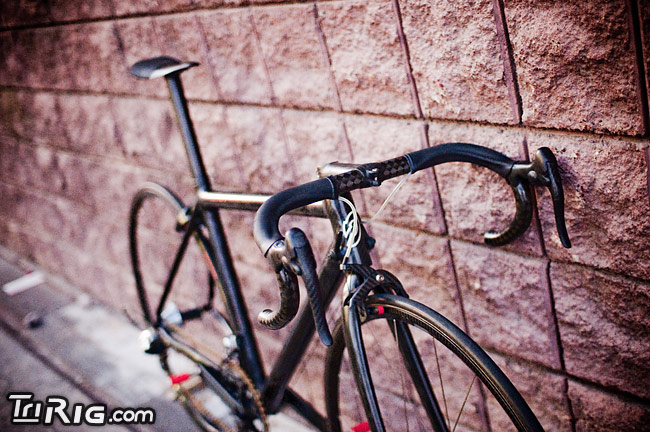
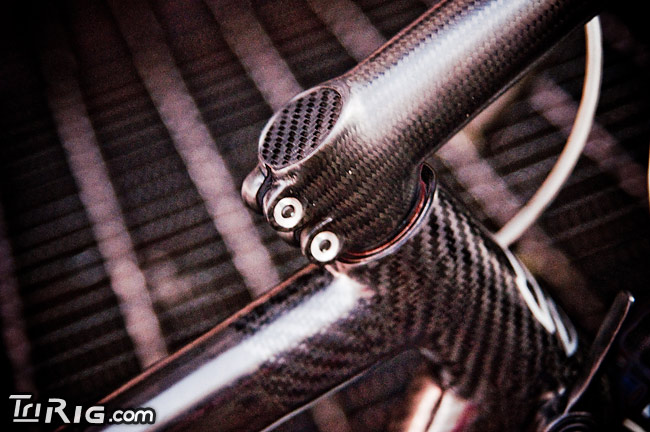
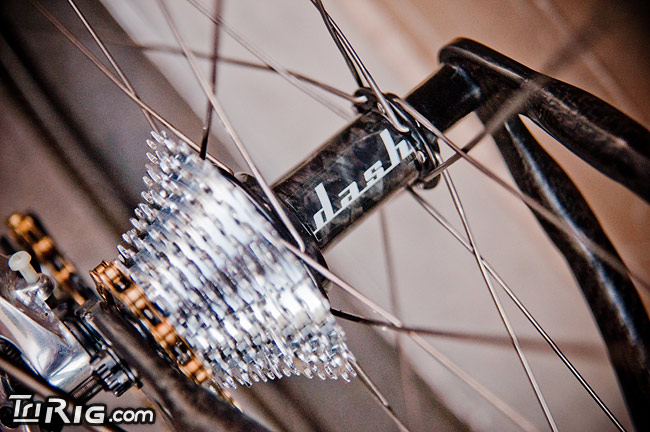
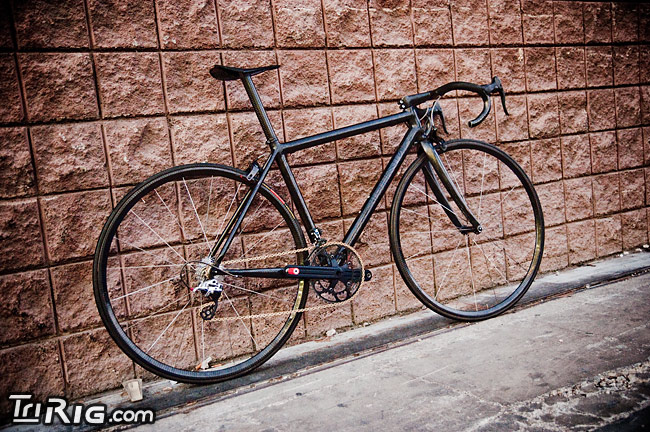
To give you an idea of how light this bicycle is relative to other bikes on the road. The bicycle you have probably weighs 20lbs pounds or more. To be under the 20lb mark, you probably have spent some “serious” money as each pound you shave off below 20lbs becomes exponentially more expensive, to the point where people compare grams of components. The Union Cycliste Internationale (UCI), which is the governing body for most of the pro races around the world, has a minimum weight limit of 6.8kg (about 15lbs). So when you see those $9,000 bicycles in the Tour De France, they are about three-times heavier than this bicycle. Of course there’s more to a bicycle’s performance than its weight though. A lot of the cost doesn’t go into making them lighter but in making them handle better, be stiffer for efficient power transfer, shift more smoothly, be reliable, have less rolling resistance and most of all to reduce aerodynamic drag. As you ride faster, aerodynamics are much more important than weight so unless your entire race is uphill, weight isn’t that important, but this is pretty amazing stuff anyway, considering it’s three times lighter than the bikes the pro’s ride with.
Enjoyed this post? Hell yea you did! It’s cause BICYCLES ARE THE BOMB!
Don’t you wish commuting by bicycle was more practical though? I know we often struggle with carrying many items and have to limit what we take with us. And if we take a backpack it makes our traps all knotted up and our back sweaty. The solution? These Ortlieb Pannier Bags. They changed my (cycling) LIFE because it made commuting practical. The way they come on and off the bike is so ridiculously easy.
See for yourself! Here’s a video of me demonstrating their awesomeness.
More info in this blog post: The Magic of Ortlieb Backrollers
Want more good cycling info?
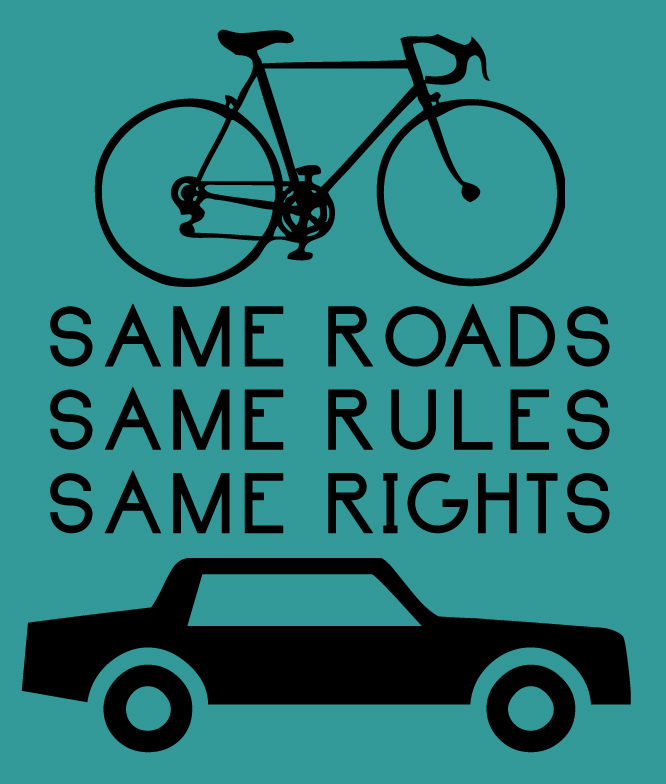 Please share this with every cyclist AND driver you know: How To Ride Your Bicycle Safely On The Streets
- Drivers need to understand that our place is not on the sidewalks.
- Cyclists need to follow traffic laws and not make up their own.
- Drivers need to understand that sometimes we need to take the lane.
- Cyclists need to NOT ride against traffic.
- Drivers need to understand that honking the horn at us is scary as fuck!
Education and a sense of personal responsibility is key to our harmony.
Let’s Connect
The best way to stay up to date with the latest content and videos is to sign up for my newsletter!