

The Great Indian Vulture Crisis
The Great Indian Vulture Crisis
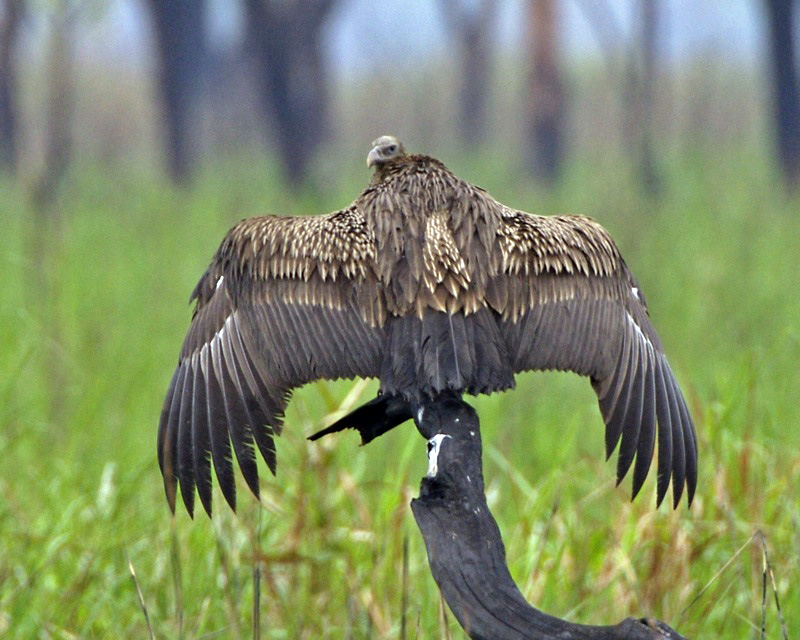
Scientists have estimated that as recently as the early 1990’s, there were at least thirty million vultures in India and Pakistan. They used to fly in flocks so massive, only rough approximations of their numbers could be made. Within a matter of a few years, their numbers started to decline faster than any other avian collapse in history. Researchers pinpointed the cause of the vultures’ demise to kidney failure, but had no idea why it was occurring. By 1999, the situation became so grave that not one pair of vultures could be seen together.
Starting in late 2001, Dr. J. Lindsay Oaks, Professor of Microbiology at Washington State University, ran scores of tests on the deceased birds looking for viruses, bacteria, heavy metal poisoning, pesticides and nutritional deficiencies to find a cause for their kidney failure. It wasn’t until early 2003 when Oaks decided to look at their food source which was almost entirely domestic livestock, including cattle. In Hinduism, the main religion of India, cows are thought to be sacred and it’s against Indian law to kill or cause them pain. As such, farmers would liberally administer a pain killer called diclofenac to ease any suffering their cows might endure. When the cows eventually died, they would be sent to “carcass fields” to decompose because they couldn’t be buried or cremated according to the same religious reasons that sheltered them from suffering or death.
Vultures have traditionally played a vital role in the decomposition of these carcass fields by stripping the dead cows to the bone. After pouring through the data, Oaks discovered the vultures were dying of kidney failure from the accumulated diclofenac in the cows. Even after finding this out, the Indian government didn’t ban the drug until 2006. Even five years later, in 2011, the drug is still used in India for veterinary purposes even though safer alternatives exist, making certain that the numbers of vulture will continue to dwindle. This is just another avian species that is going the way of the dodo or the passenger pigeon.
What about conservation efforts?
Conservationists consider all the South Asian vultures to be functionally extinct because there are not enough of them to sustain themselves. Captive breeding efforts have, at best, been painstakingly slow because vultures take five years to reach reproductive maturity and when they do, they mate only once a year, producing only one egg. At that rate it will take decades of captive breeding simply to prevent the birds from going completely extinct. This scenario is reminiscent of the California Condor crisis, where there were only 22 of them left in 1983 and captive breeding helped bring their numbers up into the hundreds as of 2011. Sadly, scientists do not expect any Indian vulture born today to be able to survive until maturity because of the sporadic presence of diclofenac in its food source.
What’s the importance of vultures?
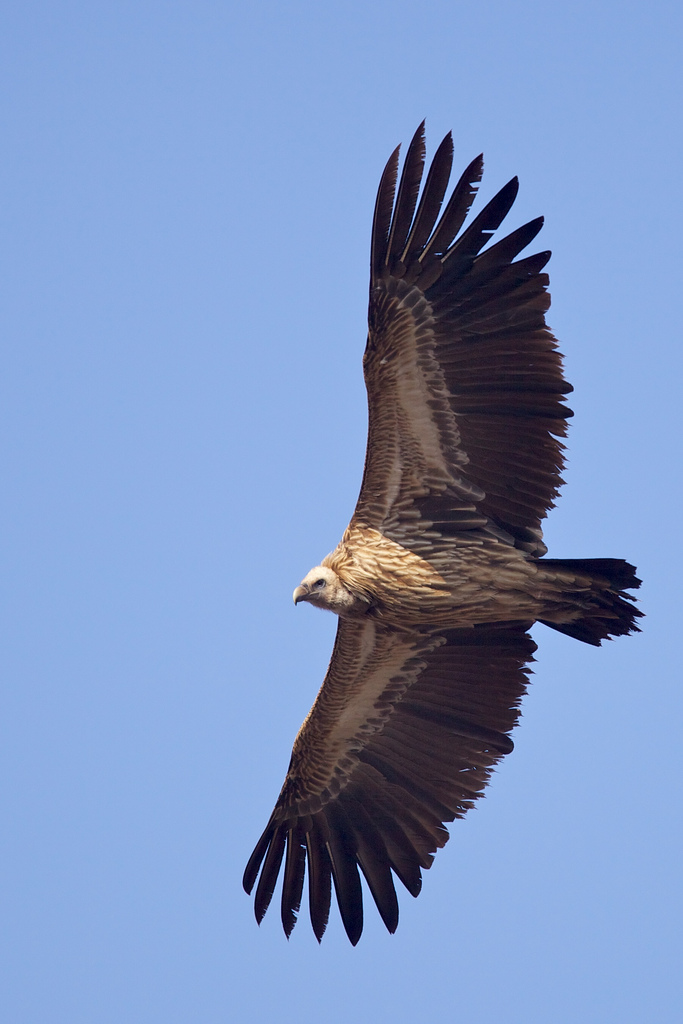
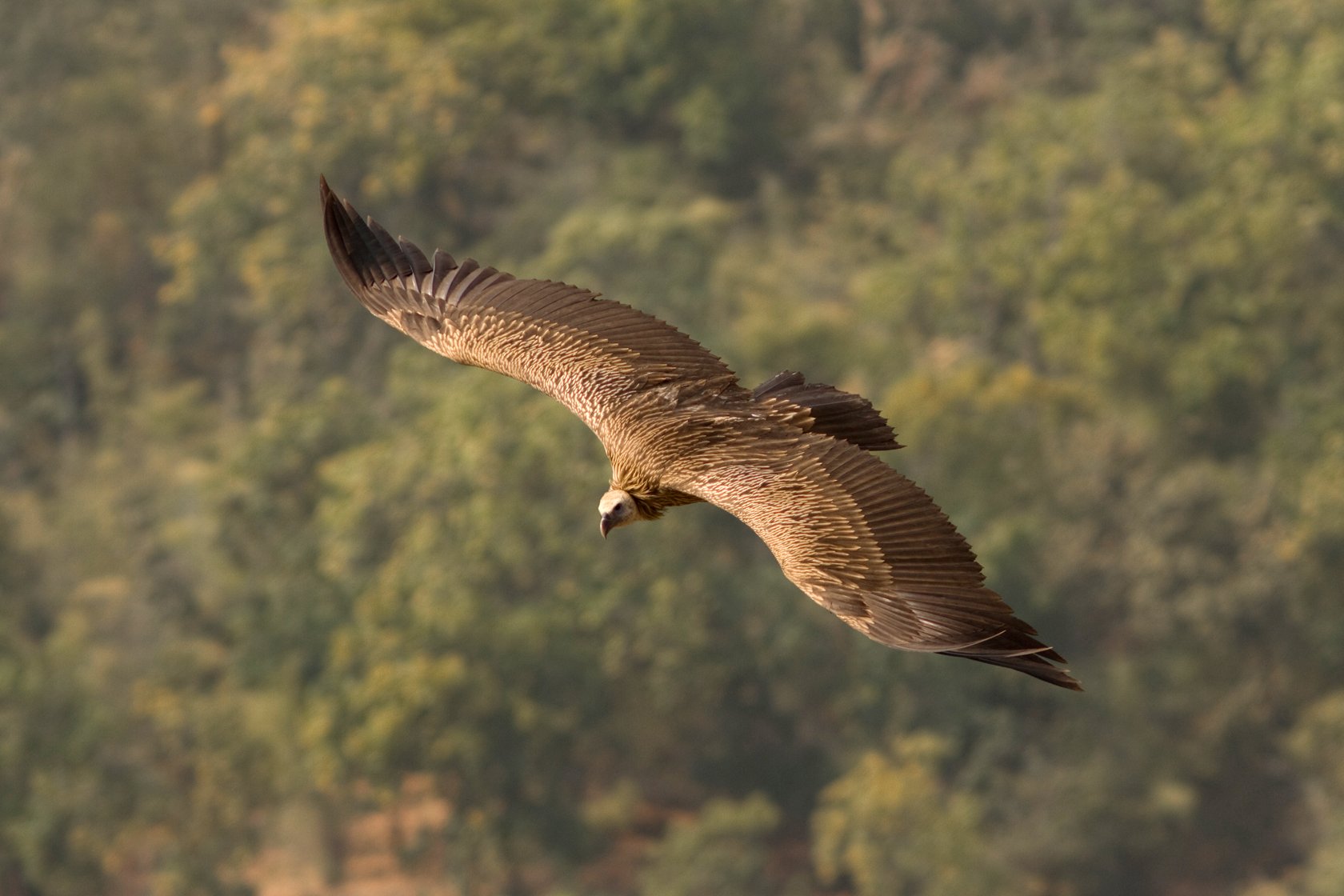
Even though vultures are sometimes looked at in a negative light, they play a very important role in efficiently disposing of carcasses and disinfecting the meat for consumption. Their strong stomach acid and high body temperature destroy corpse pathogens such as rabies and tuberculosis with little to no ill effects unlike any other animal. Their presence may be associated with death but they have qualities that are admirable when you acknowledge their patience in waiting and never attacking anything that is still living.
Who is eating the dead cows now?
While the vulture population has been decimated, the feral dog population has exploded. With this new abundant source of food, wild dogs have become the new primary scavenger. These dogs do not resemble the typical scrawny, feeble image of stray dogs either; they look healthy and strong thanks to their abundant food source.
Unfortunately, the dogs do not pick apart the carcasses as thoroughly as the vultures did, eventually causing ground water contamination. In addition, their physiology isn’t as well-adapted to scavenging, and instead of destroying diseases such as rabies, they simply transmit them. When dogs contract rabies, they suffer from brain damage that makes them become extremely aggressive and prone to bite anything that comes nearby. India now has a rabies epidemic with the highest rate of human rabies in the world, resulting in about 35,000 deaths per year.
The dogs prey on the cows, leopards prey on the dogs and humans are caught in the middle.
The growing wild dog population makes easy prey for indigenous leopards who have begun entering villages and cities to hunt them. As a result, the leopard population has also increased dramatically and encounters with humans have been much more frequent, resulting in hundreds of fatalities occurring in recent years.
Who else is affected by the vultures’ demise?
In India, there is a group of Zoroastrians called ‘Parsis’ who don’t believe in cremation or the burial of human remains. Instead, they practice an equivalent of the Tibetan “sky burials”, where the Parsis lay their dead out for vultures to consume in a raised structure called a “Tower of Silence.” Since the vultures are too few to take care of the remains as they have done for centuries, the Parsis have begun searching for alternative solutions. A series of solar collectors (mirrors) were installed in the Towers of Silence to accelerate decomposition, though their limited success has the Parsis considering their own conservation project to repopulate the decimated vultures.
This entire chain of events seems unreal, but is indicative of just how powerful our presence on Earth is in actively reshaping ecosystems, whether we intend to or not.

Let’s Connect
The best way to stay up to date with the latest content and videos is to sign up for my newsletter!