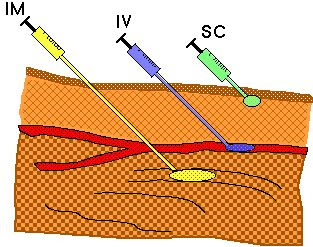
Intravenous (IV): This goes straight into a vein to go into the blood supply immediately. This is the only route of administration where you’re guaranteed 100% absorption.
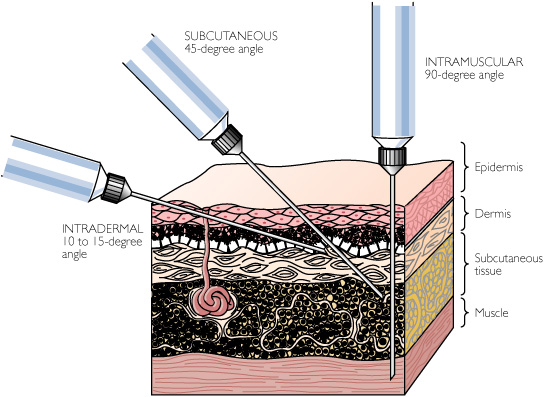
Subcutaneous: This goes underneath the skin into loose connective tissue with a maximum volume of 1 to 2ml. Even 2ml is pushing it as most of the time 1ml is the maximum. What kind of drugs are administered this way? Insulin. Botox. And certain immunizations like the new one for shingles (Zostavax).
Intramuscular (IM): This is a bigger needle that goes deeper, depositing between layers of muscle with 2 to 3 ml maximum volume. However, 3ml is pretty rare if you go that high.
Some examples: Certain vaccines. Depo-Provera. Steroids. Adrenalin could be IM or subcutaneous.
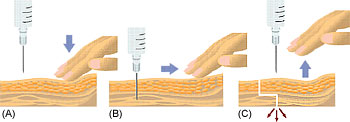
Z-track: Then there’s also slight variation to the IM called Z-track. You pull the skin to the side and then put the needle in and then after you take the needle out you put the skin back in the correct position. There’s a few drugs you have to do it this way with, such as iron injections which are dark-black. If you don’t do Z-track, the solution can go right back up the channel it just came from, come back out the skin and stain the skin and clothes for years.
Intradermal: This is just below the skin surface and has a maximum volume of 0.1ml. The PPD skin test is administered this way.
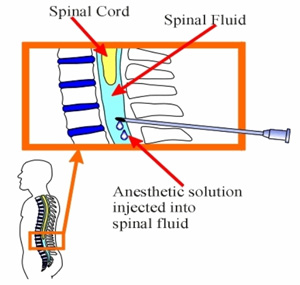
Intrathecal: This is where the injection is going straight into the cerebrospinal fluid. Epidurals are done this way because we want the anesthetics to go straight in. Sometimes when you must use a specific antibiotic but it can’t cross the blood-brain-barrier, you have to do an intrathecal injection.
Intra-articular: Directly into joints. Rheumatoid Arthritis is treated this way.